The most common mistake with the best cheap track day cars UK buyers hunt for is spending the whole budget on the car. Then the first event arrives and you discover that brake pads, fluid, tyres and fuel cost more than the entry fee. Leave yourself a few hundred pounds, at least, and you’ll enjoy the day far more than someone with an extra 30bhp and no stopping power.
Prices move, so treat the £6,000 ceiling as a guide and check current listings. Here are five I’d happily own, in no particular order, plus one proper left-field choice.
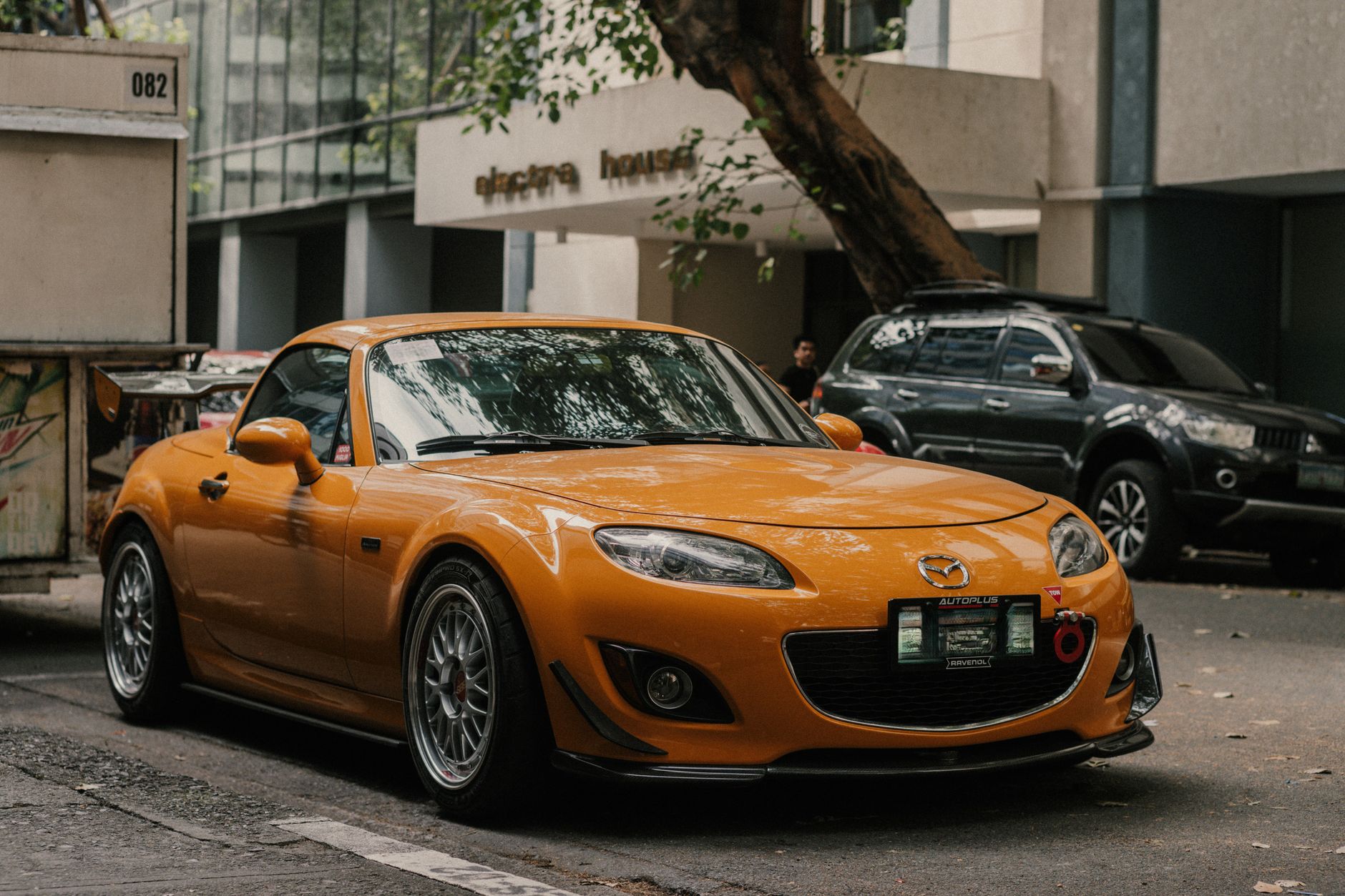
1. Mazda MX-5 (NB, 1998 to 2005)
The Mazda MX-5 NB is the obvious answer because it is the right one. Rear-wheel drive, light, communicative and forgiving, it teaches you about weight transfer without punishing mistakes. Good examples of the 1.8 sit comfortably under budget.
Running costs are low: parts are cheap and plentiful, and the club scene is huge. Check sills and rear arches for rust, look for oil leaks and tired gearboxes, and avoid anything with a heavily modified suspension setup you cannot trace back to a decent specialist.
2. BMW 330i or 328i (E46)
An E46 straight-six is a lovely thing at Snetterton, where long sweeping corners reward a balanced rear-drive saloon. The engine sounds great and the chassis is playful. Plenty of 328i and 330i cars fit the budget.
It is thirstier on tyres, brakes and fuel than an MX-5, and the cooling system is the known weak spot. Budget for a new radiator, expansion tank and water pump if there is no history of them being done. Also check for rear subframe cracking on the mounting points, which is a genuine issue on these cars.
3. Honda Civic Type R (EP3)
The EP3 Civic Type R has a screaming 2.0-litre VTEC that rewards revving, and front-wheel drive that is far more engaging than it sounds. Prices have crept up, so a tidy one may stretch you, but it is still possible under £6,000 if you’re patient.
Buy on condition, not mileage. Check for tired synchromesh, especially second and third, and walk away from anything that looks abused or badly modified. Front tyres and brakes will take the punishment, so factor that in.
4. Renault Clio 172 or 182
The Renault Sport Clio 172 and 182 are hot hatch legends because of the way they handle. They rotate eagerly on the brakes and feel alive in a way many newer cars do not. They are also cheap enough to run hard without too much guilt.
Check for rust, worn suspension bushes and wheel bearings, and any sign the car has been crashed. Cambelt history matters. Insurance can be fussy, so get quotes before you commit.
5. The left-field pick: Toyota MR2 (Mk3 roadster)
The Toyota MR2 Mk3 is a mid-engined roadster for the price of a tired hatchback. It is light and beautifully balanced, and it feels exotic when you turn in at Paddock Hill Bend. It also bites if you lift mid-corner, so approach with respect and build up speed.
The issues are known. Check carefully for rust, and look closely at the condition of the roof and the hood seals. Pre-catalyst failure on early cars is a recognised problem, so ask what has been done. Luggage space is tiny, but you will not care when you are on track.
How much does a track day really cost?
A track day typically costs a few hundred pounds including entry, fuel, and wear on tyres and brakes, though it varies by circuit and organiser. Entry fees at circuits such as Brands Hatch and Snetterton depend on the operator and date, so check the organiser’s website for current pricing.
Always budget separately for consumables. Brake fluid should be fresh before every season, ideally a high-temperature fluid, and a set of good pads is money well spent. Tyres wear faster than you expect, particularly on front-wheel-drive cars.
What to check on any cheap track car
Whatever you buy, a few checks apply across the board. Run through this list before handing over cash:
- Service history, especially cambelt or timing chain and cooling system work.
- Evidence of previous track use, which can mean hard-worked brakes, clutch and engine.
- Rust in sills, arches, and subframes.
- Uneven tyre wear, which can point to alignment or crash damage.
- Any modifications, and whether they were fitted by someone competent.
Check noise limits too. Many UK circuits enforce a drive-by or static noise limit, commonly around 98 to 105dB depending on the venue, so a loud aftermarket exhaust can leave you sitting in the paddock. Confirm the limit with your organiser. For general guidance on keeping a used car legal and roadworthy, the gov.uk MOT guidance is a sensible place to start.
My advice
If you are new to circuits, buy the MX-5. It is cheap, tough, and teaches the right habits. If you want something with more character, go for the Clio or the MR2 and accept the quirks. Whichever you choose, keep a few hundred pounds back for tyres and brake fluid, and book your first event before you buy so you have a real deadline to get the car ready.