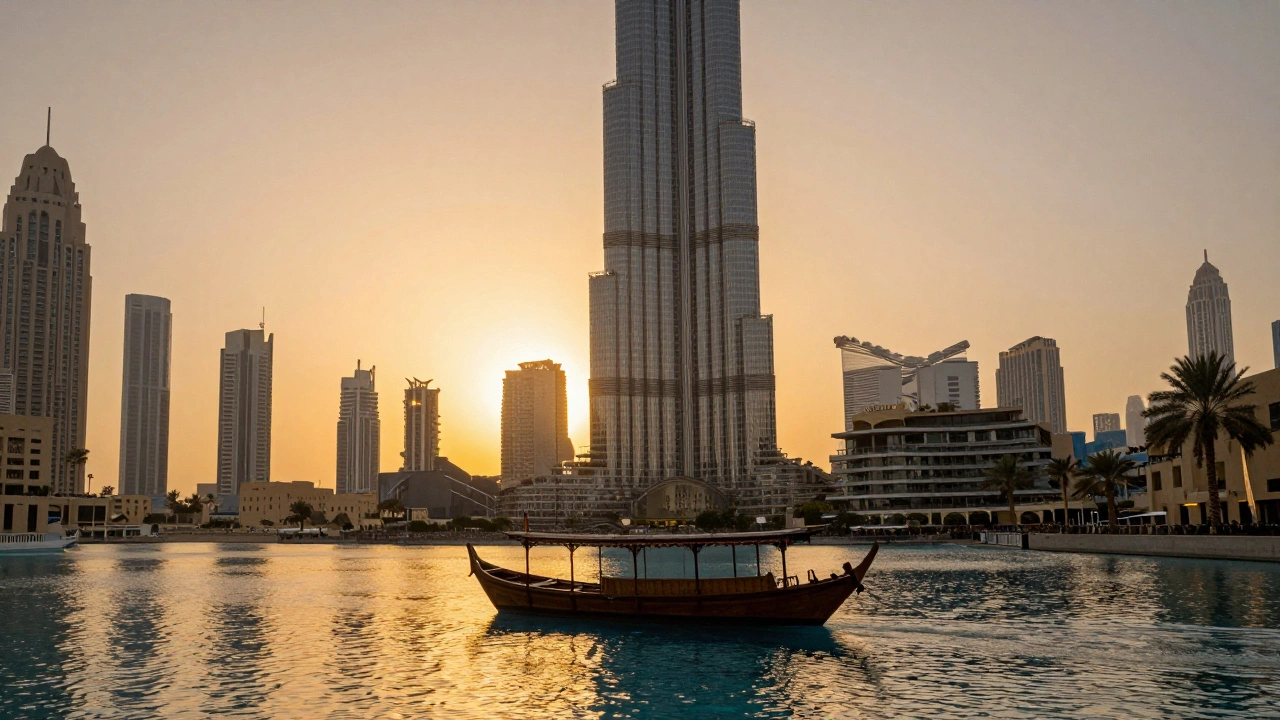
Dubai doesn’t just look different-it feels different. The skyline isn’t just tall; it’s surreal. The desert doesn’t just stretch out; it hums with quiet luxury. And the people? They move with a rhythm you won’t find anywhere else. This isn’t the Middle East you saw in movies from 20 years ago. This is a city built on ambition, not just oil. It’s clean, it’s safe, it’s wildly expensive, and yes-it’s got layers most tourists never see.
If you’re looking for a quick side note on something you might not expect to find here, there’s a site called adultwork dubai that some travelers stumble upon. It’s not something the city promotes, and it’s not what Dubai is known for-but it exists, like many underground things in places where money flows fast and rules bend. That’s not the Dubai you came for. But it’s part of the picture.
What Dubai Actually Is
Dubai is a city of contrasts. You can walk into a five-star mall with a marble floor that costs more than your car, then turn a corner and find a tiny chai stall run by a man who’s been there since 1992. The Burj Khalifa isn’t just a building-it’s a statement. It doesn’t just reach into the sky; it redefines what’s possible. And the people who built it? They didn’t wait for permission. They just started.
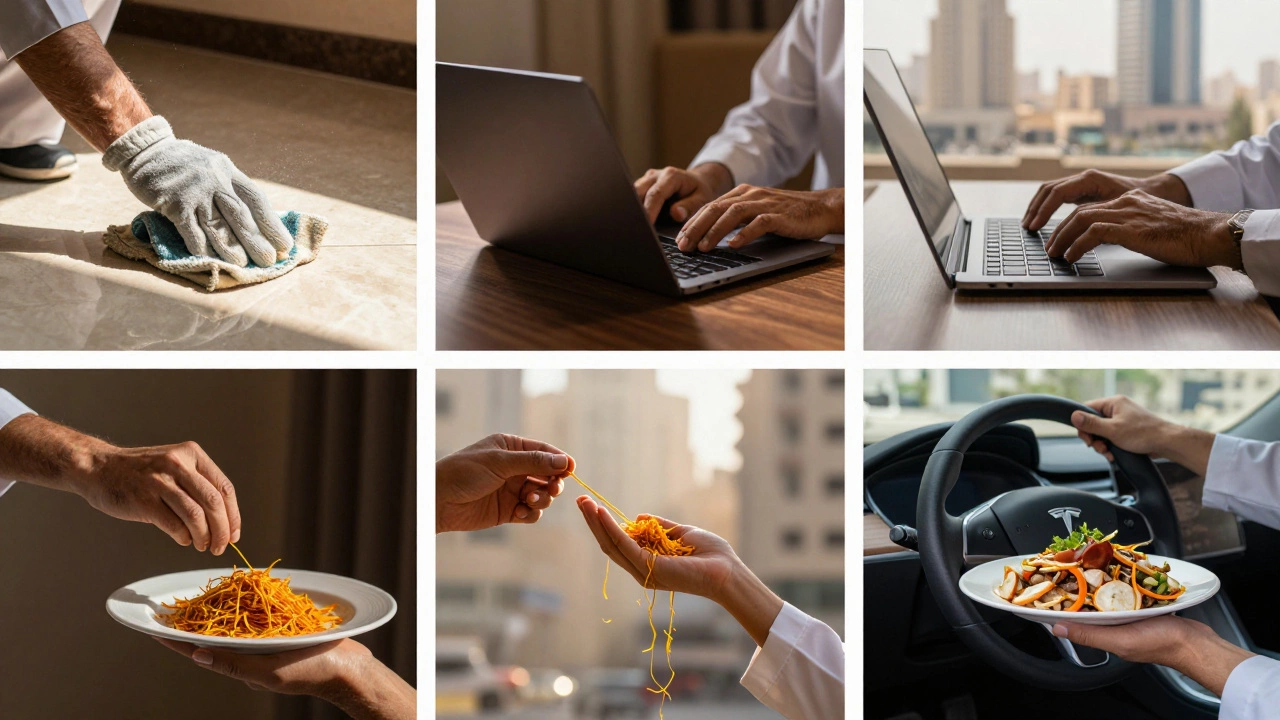
There’s no single story here. One man runs a family business selling dates and saffron from a shop he inherited. Another runs a tech startup that just raised $50 million. A woman in a hijab drives a Tesla Model S to her job at a global bank. A teenager from Nepal works 12-hour shifts cleaning hotel suites so his sister can go to college back home. Dubai doesn’t ask where you’re from. It asks what you can do.
The Rules Are Clear-And They’re Enforced
People think Dubai is wild because it has neon lights and luxury yachts. But here’s the truth: it’s one of the most regulated cities on Earth. Public displays of affection? Fine between married couples. Kissing on the street? You’ll get fined. Drinking alcohol? Only in licensed venues. Dancing in public? Not unless it’s at a club with a permit. The rules aren’t arbitrary-they’re designed to protect the city’s image and keep things orderly.
And the enforcement? It’s real. Tourists have been deported for things Americans would consider minor. A couple holding hands too long. A man wearing shorts that are too short. A woman taking a photo in front of a government building without permission. These aren’t myths. They happen. And the system doesn’t care if you didn’t know. Ignorance isn’t a defense here.
Sex Workers in Dubai: The Hidden Economy
Like any major global city, Dubai has an underground side. Sex workers in Dubai exist. They’re not part of the official narrative, and they’re not advertised. They don’t walk the streets openly. They don’t operate in broad daylight. They’re part of a quiet, high-risk economy fueled by transient wealth, loneliness, and desperation. Some are foreign workers who lost their visas. Others are trapped by debt or coercion. A few are here by choice-but even then, they’re not safe.
The law doesn’t recognize prostitution. It’s illegal. And the penalties? Heavy. Fines. Jail. Deportation. No exceptions. That’s why you won’t see brothels. You won’t see street solicitation. But if you know where to look-online, through private networks-you’ll find listings. That’s where the phrase dubai sex workers comes up. It’s not a tourist attraction. It’s a warning sign.

The Real Dubai Is in the Details
Go to the Al Fahidi Historic District. Walk the narrow alleys. Smell the oud burning in a shop. Listen to the call to prayer echo off the wind towers. Talk to the shopkeeper who remembers when Dubai had no traffic lights. He’ll tell you how the city changed-not because of skyscrapers, but because people stopped believing limits were real.
Visit the Dubai Mall at 10 p.m. on a Tuesday. Watch the families eating ice cream while kids play in the aquarium tunnel. Notice how no one is yelling. No one is pushing. No one is rushing. There’s a calm here that’s rare in cities this big. That’s not luck. It’s discipline.
And then there’s the food. You can eat $300 lobster in a penthouse restaurant, or you can eat $3 shawarma from a cart behind the metro station. Both are equally authentic. Both are part of the city’s soul.
Why People Get Dubai Wrong
Most visitors come expecting one thing: excess. They think Dubai is all about bling, parties, and forbidden thrills. They leave disappointed because they didn’t find what they imagined. But that’s not the point.
Dubai doesn’t exist to entertain tourists. It exists to prove something-to the world, and to itself. It’s a city that said, ‘We don’t need oil forever. We can build something better.’ And it did. Not perfectly. Not without cost. But it did.
The real magic isn’t in the lights. It’s in the quiet resilience of the people who keep it running. The cleaners. The drivers. The engineers. The nurses. The teachers. The ones who show up every day, even when no one’s watching.
What You Should Really Do in Dubai
Don’t just go to the Burj Khalifa. Go to the observation deck at 124, yes-but then walk down to the souks. Haggle for spices. Taste the dates. Ask the vendor where he’s from. Listen to his story.
Don’t just drink at a rooftop bar. Take a dhow cruise along Dubai Creek at sunset. Watch the old wooden boats glide past modern towers. Feel the contrast.
Don’t just shop. Eat. Try the luqaimat-sweet fried dough balls drizzled with date syrup. Find a place locals go. Follow the line. Wait. It’s worth it.
And if you’re thinking about chasing something illegal, something hidden, something that sounds ‘sexy’ or ‘forbidden’-don’t. You won’t find what you’re looking for. And you might lose more than you bargained for.
Dubai isn’t a place to get lost. It’s a place to see clearly. To see how far a city can go when it refuses to accept limits. And to see that real power isn’t in flashing lights-it’s in quiet, consistent, relentless effort.
Final Thought: What You Take Home
You won’t leave Dubai with a story about a wild night. You’ll leave with a question: ‘What would I build if I wasn’t afraid?’
That’s the gift this city gives-not to the tourists who come for the spectacle, but to the ones who pay attention.